
The Kingshot Combat Engine Explained: How Turn-Based Sequential Targeting Works
"Discover the hidden mechanics behind Kingshot's battle system. Does the game truly calculate damage simultaneously? We dive into the sequential resolution engine to show you why your archers might be dying before they can even fire a single arrow."
Discover the hidden mechanics behind Kingshot's battle system. Does the game truly calculate damage simultaneously? We dive into the sequential resolution engine to show you why your archers might be dying before they can even fire a single arrow.
Introduction
Welcome back, commanders! With the constant shifts in the meta and the arrival of highly complex hero skills, players have been questioning how damage is actually traded in the background. The battle animations look like a massive, simultaneous free-for-all, but the underlying code tells a completely different story.
Context: The community needs clarity on why certain high-value widgets and skills seem to underperform in specific game modes like Citadel captures or rapid skirmishes.
Methodology: By analyzing automated combat log extractions and breaking down the 10-second combat loops, we have decoded the exact order of operations within the game engine.
Acknowledgments: A special thanks to the alliance testers and data-miners who provided the raw battle reports and frame-by-frame analyses that made this breakdown possible.
Global Combat Flow
Before analyzing individual troop interactions, we must understand the overarching framework of the game's combat encounters, particularly when dealing with neutral buildings and multi-army clashes.
Queue-Based Combat: In large-scale engagements, the combat is fully automated over 10-second intervals. All combat is strictly one-on-one. Additional armies queue up for the next battle sequentially. The winning army drops to the bottom of the queue on its side to regenerate, while the losing army is permanently expelled back to headquarters.
The Defensive Anomaly: Because these fights are coded as sequential solo battles, you are never technically considered to be "on defense." Therefore, abilities tied to hero-exclusive defensive gear do not activate. Similarly, offensive rally bonuses will not trigger because the engine treats these as individual skirmishes, not a coordinated rally.
The Phase-by-Phase Breakdown
This is the core of the combat engine. When a standard round of combat begins, the game does not apply all damage at the exact same millisecond.
The Target Selection Phase
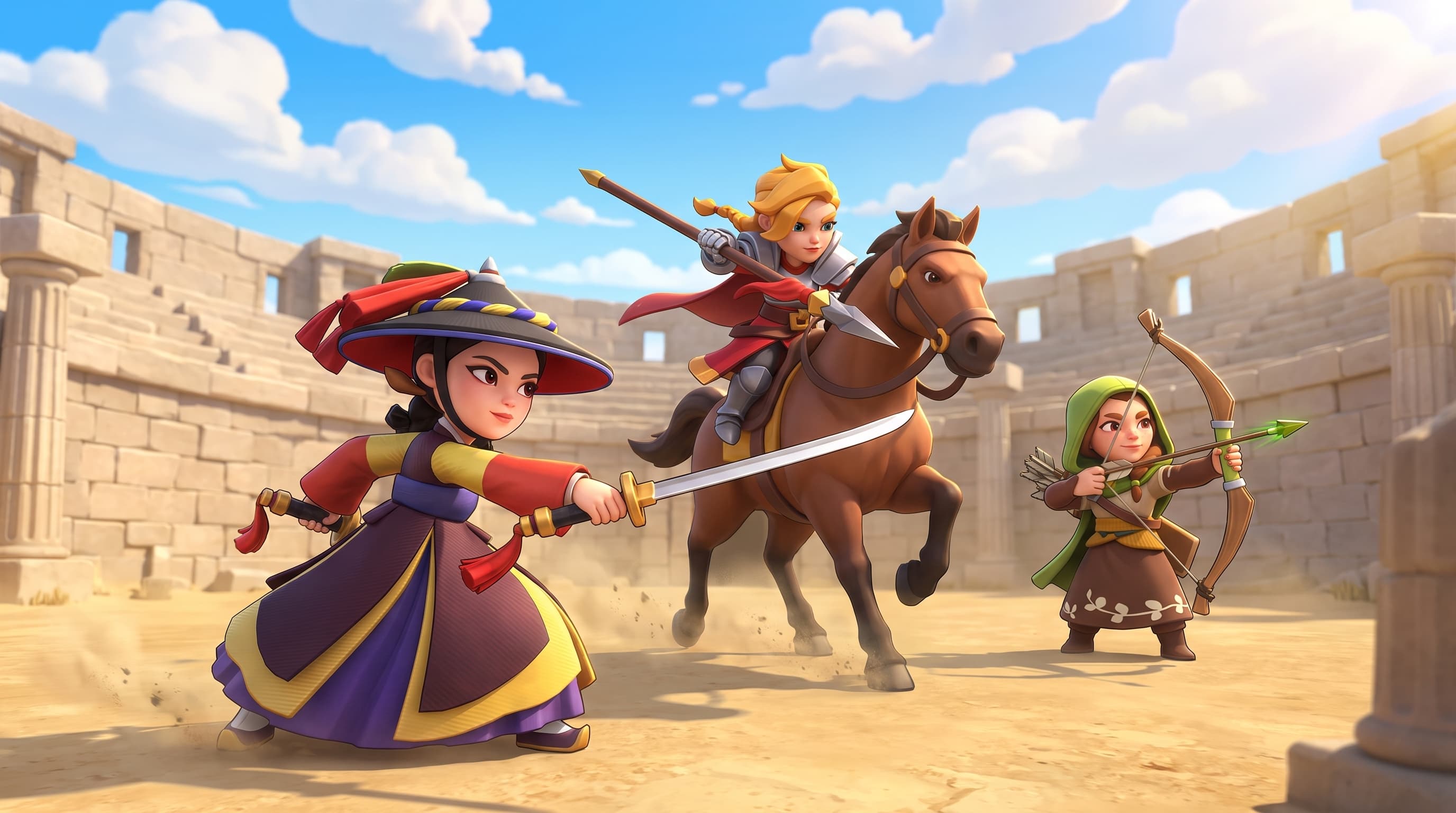
At the very beginning of a combat round, all three troop types (Infantry, Cavalry, and Archers) select their targets. The attacks are launched simultaneously in the animation, creating the illusion of a massive, unified clash.
The Sequential Damage Resolution
Despite the simultaneous target selection, the actual math is resolved sequentially by troop type.
- Step 1: Infantry from both sides have their damage calculated and resolved simultaneously. Kills are instantly counted and removed from the board.
- Step 2: Only after the infantry casualties are processed do both sides' cavalry register their damage simultaneously.
- Step 3: Finally, the archer attacks are resolved and their damage is applied.
This sequential engine explains why archers—your primary damage engine—are highly vulnerable if your frontline collapses early. If the enemy's infantry and cavalry wipe out your defenses in Steps 1 and 2, your archers will take heavy casualties before their Step 3 damage phase ever occurs.
Strategic Recommendations
How should you adapt your account and formations to exploit these hidden mechanics?
- For "Free-to-Play" and "Low Spenders": Invest heavily in your infantry frontline's health and defensive stats. Since infantry resolves first, a robust frontline guarantees that your cavalry and archers survive long enough to execute their damage phases. The classic 50/20/30 formation is ideal here to ensure maximum survivability.
- For "Garrison Leaders" and Whales: When capturing neutral buildings, do not rely on exclusive gear that only triggers on defense. Equip your heroes with raw, unconditional base stats and solo-combat widgets, as the sequential queue system will bypass your conditional defensive buffs.
- Skill Optimization: Pay close attention to heroes with abilities that trigger "every 4 turns." In the fast-paced, sequential resolution of short battles, these skills often fail to activate in time. Prioritize heroes with immediate, upfront damage scaling for these encounters.
Conclusion
Understanding the sequential nature of Kingshot's combat—Infantry first, Cavalry second, Archers last—is the master key to optimizing your battle reports. Investing in conditional defensive widgets for neutral building queues is a mechanical trap you can now confidently avoid. Let this knowledge reshape your frontline strategy, and share your new optimal formations with the alliance to dominate the battlefield.
KS KvK Discord Bot
Top 100 Leaderboards Directly in Your Discord!
No scout accounts needed! Query Top 100 Leaderboards for almost all kingdoms directly in your Discord channel. Live power graphs, alliance comparisons, and Governor Gear & Charm decoding.
.jpeg)